

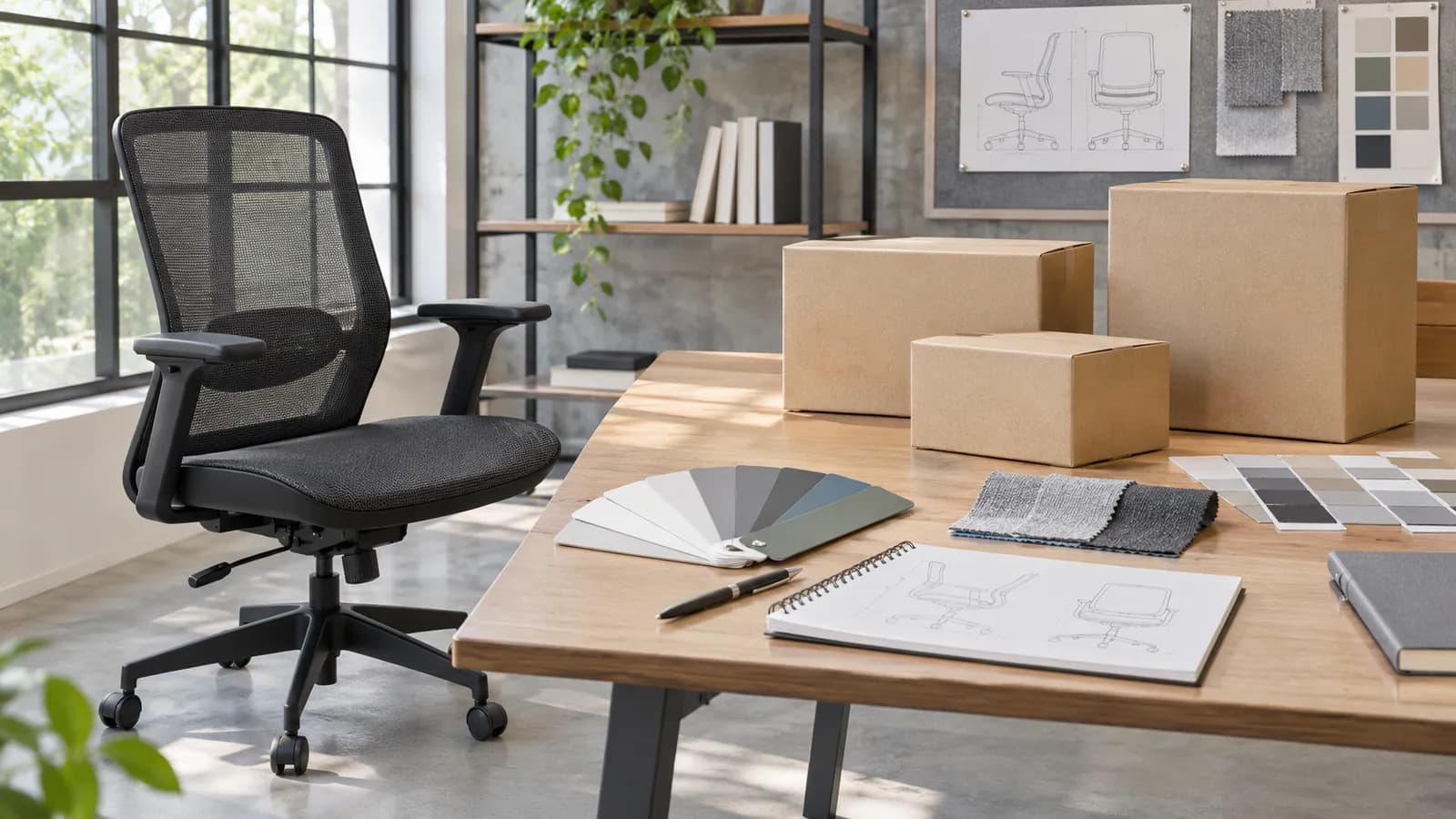
Quick answer
How do buyers approve office chair artwork and carton marks?
Start with the selected model and packaging version. Confirm artwork rights and feasible placement, match each file version to a specific application, and agree what the digital proof or physical sample will show. Reconcile the carton identity with the proposed order and receiving record. Record the final approved file set, affected variants, reviewers and conditions before production release.
Artwork, placement and carton identity decision table
Complete the row for each requested asset. Use the actual supplier response, proof and order reference to resolve open fields.
- Rights and approved wording
- Editable file and reference revision
- Named content approver
- Confirmed model and surface
- Agreed position and proof
- Actual finish or substrate reference
- Model and variant mapping
- Packing and receiving references
- Signed scope and release version
| Decision | Record to compare | Release check | If incomplete |
|---|---|---|---|
| Usage permission | Asset and rights reference | Named holder confirms coverage | Hold asset use |
| Chair marking | Model, surface and proposed location | Supplier confirms feasible application | Request a revised placement |
| Carton artwork | Exact pack and dieline version | Panels and variable fields match | Return file for correction |
| Content and language | Approved text and destination | Responsible reviewer checks wording | Hold affected copy |
| Appearance | Color reference and representative proof | Review criteria and conditions recorded | Request physical documentation if required |
| Identity | SKU, variant, carton and packing list | Receiving team can reconcile the line | Resolve mismatch before release |
| Version release | File set, proof IDs and approvals | Coverage and effective order named | Block obsolete or pending files |
Start with a selected chair and pack version
An artwork request becomes actionable when the brand team and supplier can point to the same chair configuration and the same packaging version. Record the buyer reference and supplier model, the variant to be supplied and the part or panel where each asset belongs. A logo on a headrest, a printed insert and a carton label can require different files and different reviewers. Give each asset a separate line so a partial response is easy to see.
This review starts after the intended product is identified. The broader launch plan still covers assortment, channel materials and the wider program. Here the working question is which exact asset can be released for which configuration. Keep the order quantity by variant, destination and purchase window alongside the artwork request so the production discussion uses the same coverage as the commercial enquiry.
Record permission and copy ownership
Ask the brand owner or an authorized representative to confirm the specific logo, typeface, graphic or wording and the coverage of permitted use. Record who supplied the asset, the version, its permitted application and the private reference to the authorization. An editable file passed along by a distributor may have an unclear origin. Resolve that uncertainty with the responsible party before it enters a production set.
Separate buyer-agreed brand copy from statements that need another reviewer. A model description, care instruction, destination language and certification claim may each have a different source. Identify the person responsible for each field. When a mark depends on current requirements or documented eligibility, ask the qualified owner to verify its coverage for the selected model and destination before including it in a proof.
Resolve the actual placement before preparing production files
Provide the requested location using an agreed drawing or photo of the selected configuration. Ask the supplier to identify the surface, application area, size source and feasible method. A flat image can hide seams, curves, texture or a part boundary. The written response should show which placement is proposed and the conditions under which the proof will represent it. Keep alternative locations separately labeled so nobody mistakes a fallback for the preferred option.
Ask the supplier or print owner which editable files, linked assets, fonts, reference PDF and layer conventions fit the agreed workflow. Pair the editable asset with a readable reference from the same version. Use the supplier-confirmed dieline or placement drawing and document its version. A generic template downloaded for a similar carton cannot establish the selected panel or manufacturing constraints.
Agree what each proof will establish
A digital proof is useful for checking wording, reading direction, layout, the proposed location and the mapping of variant data. Give the reviewer a list of the decisions it covers. For example, the brand team may accept the text while the supplier still needs to confirm the panel and the receiver still needs to check the identifier. Record those outcomes independently so the next person can act on the open items.
Where physical appearance is important, agree the reference and the conditions of the sample review. Ask which substrate, finish and application process the sample represents. Specify whether the sample is intended to assess color, placement, legibility or another feature and whether any aspect is provisional. A paper mockup can be excellent for reading orientation and folding relationships while leaving physical color and adhesion for a separate representative review.
Use a named color reference from the buyer or the agreed supplier record. If a screenshot is the only reference, record that limitation and request the right comparison artifact. A chair badge, coated label and carton panel may display the same nominal color differently. Have the parties agree how they will assess each application before the reviewer is asked to release it.
Read the carton from the receiver's side
Make a line-to-carton map for the actual order. Identify the chair model, variant, applicable pack version and carton sequence if the agreed pack needs one. Compare this map to the buyer order, proposed packing list and warehouse naming. Ask a receiving colleague to identify the expected contents using the proposed label and supporting record. If the label and record lead to different variants, the identity needs version before release.
Separate stable printed elements from variable data. A brand wordmark may stay constant across the order while model, destination or carton sequence changes. Name who supplies and validates each variable field and how it will be linked to the correct pack. If a trading partner specifies a coded label system, confirm the intended identifier and its level with that partner. GS1's logistic label guideline provides terminology for a GS1 workflow. A buyer and supplier still need to confirm the specific data, representation and verification they will use.
Keep approvals attached to the exact file set
Record the approved asset IDs, version dates, associated proof references, affected variants and names or roles of the reviewers. A note saying approved is hard to use when several attachments share a filename. Include the intended order or effective version and capture any excluded application or open condition. Then make one agreed release set available to the people preparing the chair marking, labels, inserts and cartons.
Imagine a fictional order where one carton panel changes after text sign-off because the variant code has been revised. Compare the changed code to the packing list and the buyer order, check whether the proof remains representative and ask the identity owner to review the affected file. Withdraw superseded production copies under the agreed process. Record which earlier approvals are still valid and which have been reopened. A scoped recheck is easier to track than circulating a new bundle with no change notes.
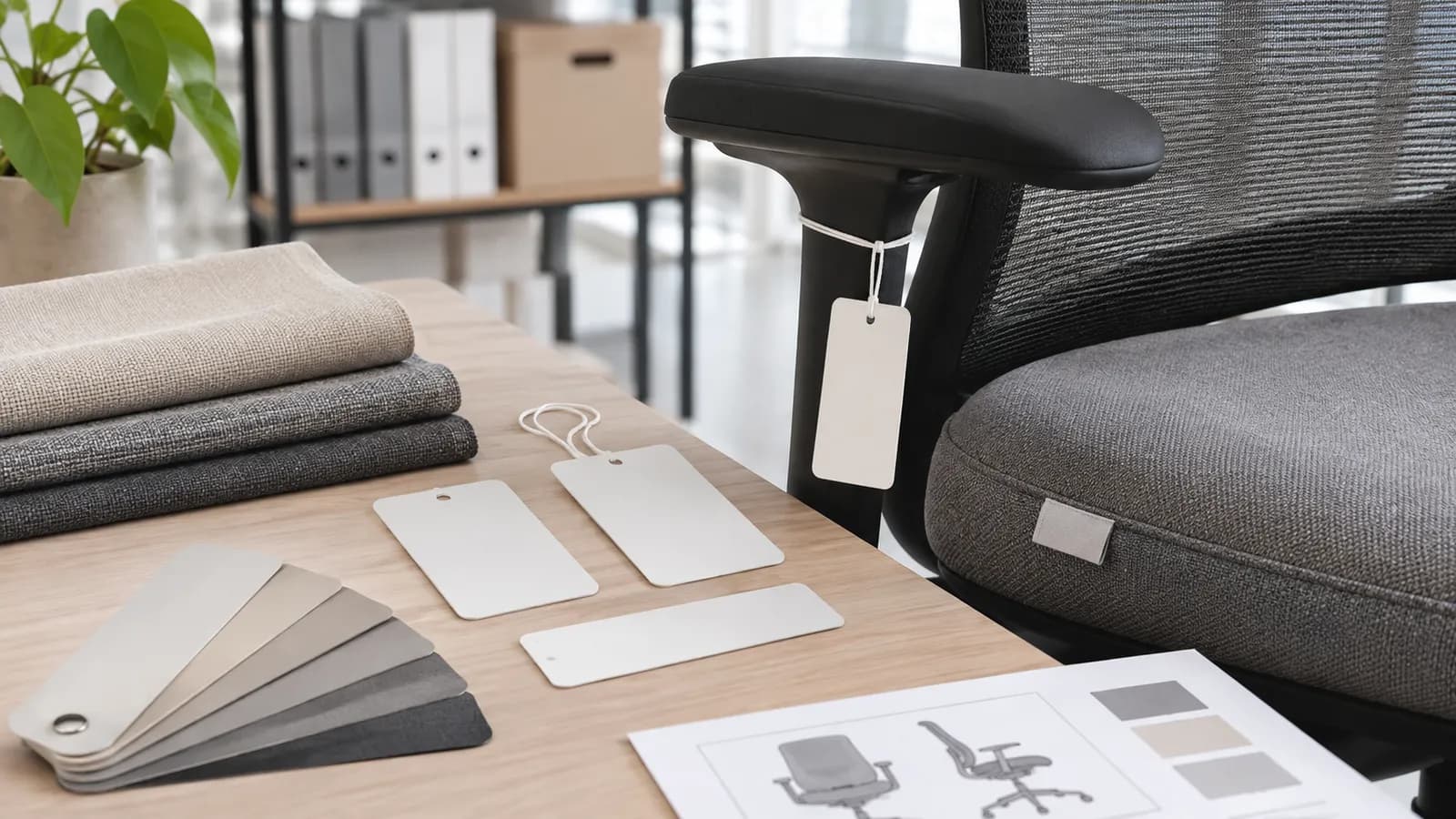
From artwork request to production release
Assign the decision owner for each step and retain the exact file or proof that supports the response.
- 1. Define the order referenceIdentify the chair, variant, intended destination and packaging version. Map each artwork asset to a location.
- 2. Confirm rights and feasibilityAsk the authorized owner to confirm use and the supplier to respond on placement, method, size source and file inputs.
- 3. Review the digital proofCompare copy, layout, orientation, panel and variant data to the approved inputs. List items needing physical confirmation.
- 4. Review the agreed sampleUse the specified reference and conditions to record what the physical proof represents and which questions remain open.
- 5. Match the packing identityReconcile order lines, carton identifiers and packing list data with the receiving owner.
- 6. Release the named versionRecord the approving roles and effective order. Reopen affected checks when a file, model, pack or data source changes.
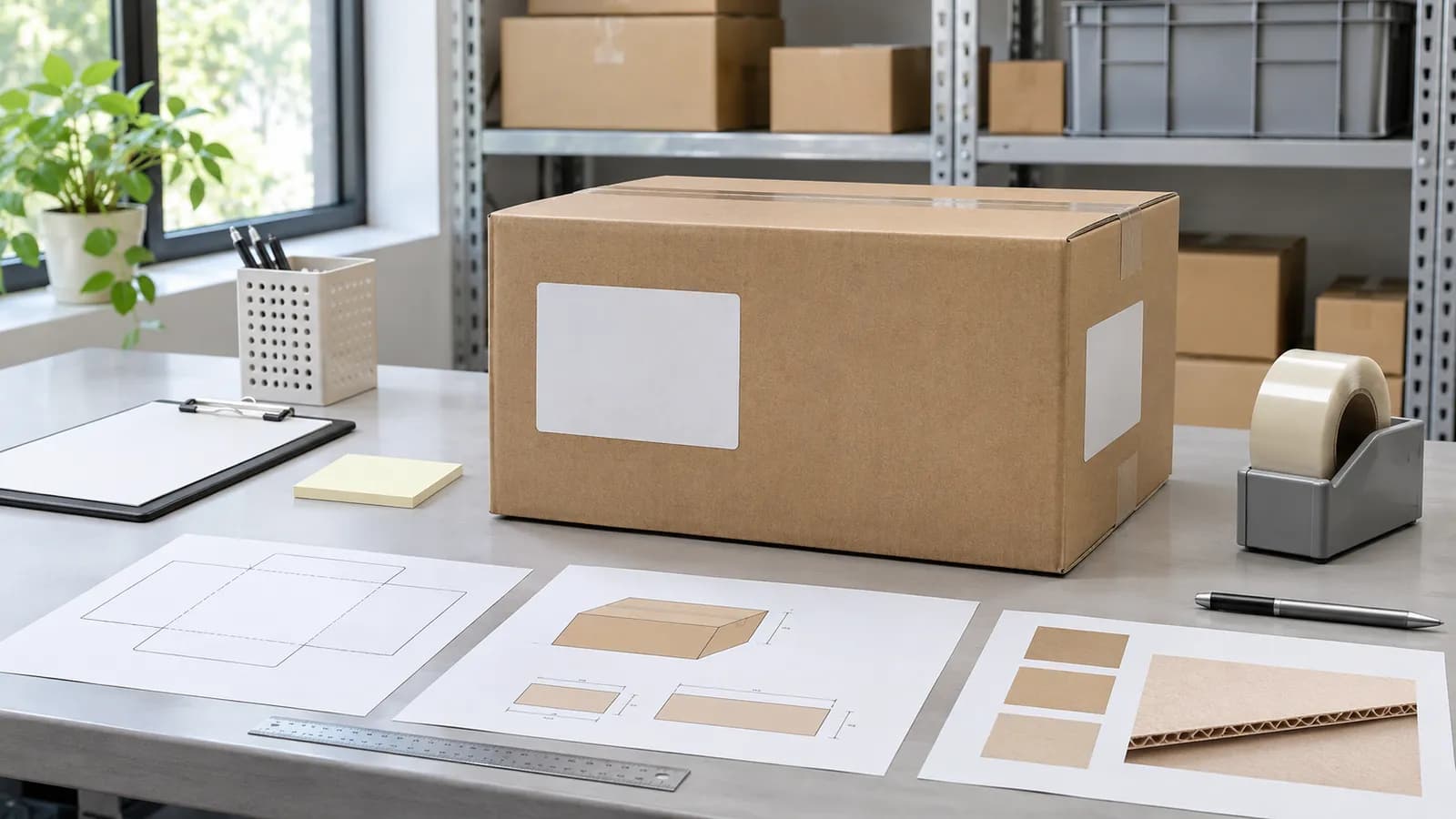
What to Check Before You Order
Send an actionable artwork review request
- Name the buyer type, chair model or reference, each variant quantity, destination, stage and purchase window.
- Provide a private rights reference and a named content approver.
- List every asset, surface or panel and its latest file version.
- Request the confirmed placement, feasible process and required production files.
- Identify which decisions need a digital proof or representative physical sample.
- Map cartons and variable fields to the order and receiving record.
- Record release conditions, remaining questions and the owner of each version.
Editable artwork and carton mark record
Use this working record privately. Copy and print include your current edits.
Ask for a model-specific artwork response
Send the actual chair reference, quantity by variant, destination, stage and purchase window. Describe the proposed artwork, placement and pack. Mark open items for confirmation before sharing production files privately.
See the MENBRO Showroom and Product Range
Watch a short introduction to MENBRO's office chairs, standing desks, lounge furniture and showroom. Ask our team for the current details of any model you are considering.
Frequently Asked Questions
What should buyers approve for private-label office chair artwork?
Identify the rights owner, selected chair and packaging version, proposed location, file version, wording, color reference, proof coverage and decision owners. Record the exact assets approved for production and any items that remain on hold.
Can a digital proof approve the printed color?
Use the digital proof to review the aspects specified for it, such as text, identity and layout. If physical appearance matters, agree how an appropriate sample will represent the actual substrate, process and viewing conditions before releasing that decision.
What belongs in a carton mark review?
Compare the chair and variant identity, pack version, destination or order references, agreed logistics marks and the receiving record. Include any trading-partner code requirements only after the responsible party confirms the data and coverage.
Who approves use of a logo or illustration?
Ask the rights holder or an authorized representative to confirm the permitted use, channels and coverage. Keep that confirmation in the private project record and obtain qualified advice if permission or destination requirements are unclear.
Which artwork format should I send?
Ask the supplier or print owner which production files, fonts, linked assets, reference proof and layer conventions they need for the selected process. Identify each version so the preview and editable source point to the same approved content.
What should happen when an approved file changes?
Log the changed asset and its dependent files, remove obsolete copies from the active production set and ask the responsible reviewers to reopen affected decisions. Keep the release on hold where the change alters identity, application, physical appearance or required wording.
Can MENBRO apply a particular mark to every chair?
Ask MENBRO to review the exact model, surface, requested position, destination and quantity. Confirm the available method, required proof and written release coverage for that configuration before relying on it.
References and Further Reading
These references support the product-selection and technical guidance in this article. Product availability and specifications can vary by model and project.
- HS PACKFACTORY artwork guide — Packaging manufacturer's explanation of process-specific production files and proofing.
- GS1 Logistic Label Guideline — Identifier and label terminology within the GS1 logistics workflow.