


Quick answer
What should an importer confirm before accepting a chair loading estimate?
Request the packed version of each chair variant, units per package, carton count, measured outside dimensions and gross weight. Identify permitted orientation, stacking and pallet conditions, then have the responsible logistics team review the actual mix against the intended equipment and route. Retain the estimate inputs, reviewed layout and actual shipment record as separate documentation, with open questions and an owner for each decision.
Packed data, loading assumptions and verification
Use the source column to distinguish measured information from a provisional assumption. Ask the responsible party to close each question before a shipment decision depends on it.
- Model and carton revision
- Variant quantities and mass
- Restrictions and evidence source
- Named equipment and route
- Actual mix and handling constraints
- Responsible reviewer and conditions
- Carton and unit identities
- Recorded changes and exceptions
- Final release and receiving references
| Question | Required input | Source to request | Decision or hold |
|---|---|---|---|
| Which configuration? | SKU, finish and packed version | Written model/pack schedule | Resolve unidentified versions |
| How many packages? | Units per carton and carton count | Confirmed variant mix | Reconcile partial or accessory packs |
| How large and heavy? | Outside dimensions and gross mass | Dated measurement record | Keep unmeasured inputs TBC |
| What restrictions apply? | Orientation, stack and pallet conditions | Packing-owner instructions | Obtain missing restrictions |
| Which equipment? | Equipment reference, access and limitations | Carrier/equipment and route records | Review actual booked conditions |
| Who reviewed the mix? | Versioned layout and conditions | Qualified plan owner | Recheck changed assumptions |
| What was released? | Final identities and exception record | Packing and shipment release | Record differences from the plan |
Start with the shipment lines, not a generic container count
An office chair container loading checklist should connect a buying decision to the actual packages that decision creates. Begin with the intended models, configurations and quantities by variant. Identify the destination and buying window, and ask which packing version is proposed for each line. The manufacturer may need to clarify the assembly state, separate accessories or packaging variants before it can supply useful measurements. Give each unknown a visible TBC entry and an owner.
Keep this discussion focused on the input and review process. A chair export packaging guide addresses how the selected item is protected and identified. Here the importer needs enough traceable information to ask whether a proposed shipment has been reviewed against the actual mix and equipment. The output is a bounded data request and a decision record that the manufacturer and responsible logistics team can answer.
Which packed version does the estimate describe?
Ask the supplier to name the SKU, finish, configuration and packaging version behind its estimate. Record whether a chair occupies one carton, shares a carton or has separately packed items. A product may be supplied in different states under different agreements. Confirm the intended shipment state in the order record and obtain the applicable assembly or service instructions for the receiving team. Use a separate identity for any optional or accessory package.
A change to the base, arms, upholstery or accessory mix may change how the product is packed. Request the actual effect from the responsible packing owner rather than calculating it from a product photograph. If the supplier is evaluating a proposed package, label its dimensions as provisional and agree what physical check will confirm them. Keep the estimate tied to that status so it cannot silently become a booking commitment.
Are dimensions and mass measured on the intended package?
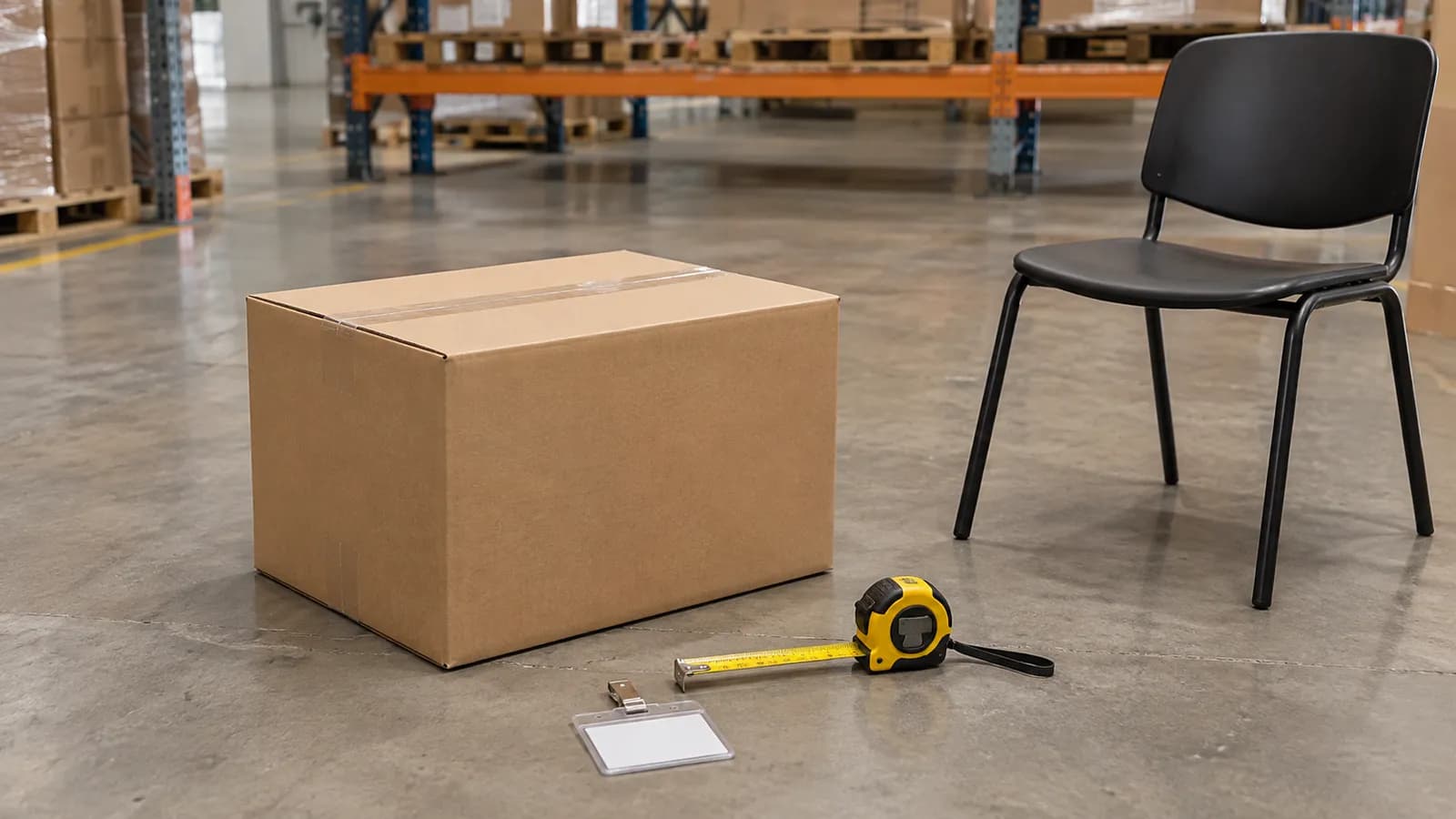
Request the measured outside package dimensions and gross mass, with the units, measurement date, packed configuration and source. Include any projecting protection or other relevant part of the shipping unit in the responsible team's description. A chair's assembled width or seat height does not provide the footprint of its export carton. Ask which representative package was measured and whether it matches the intended production pack.
Record whether each figure applies to a single carton, a multi-carton set, a pallet or another agreed unit. Keep net product mass and packed gross mass in separate fields when both are provided. If a quoted figure differs from a recent measurement, ask the packing owner to reconcile the difference and identify the controlling version. Preserve the earlier estimate as history so the buyer can see why a later plan changed.
Does the mix reconcile with the order?
Build a line for each distinct carton type and quantity. Link it to the requested chair variant and confirm the number of units represented by each package. Include separately packed accessories and any other goods that share the shipment. Check that the line totals match the proposed order quantities. An attractive overall total is difficult to review if it conceals a second carton or an unallocated accessory box.
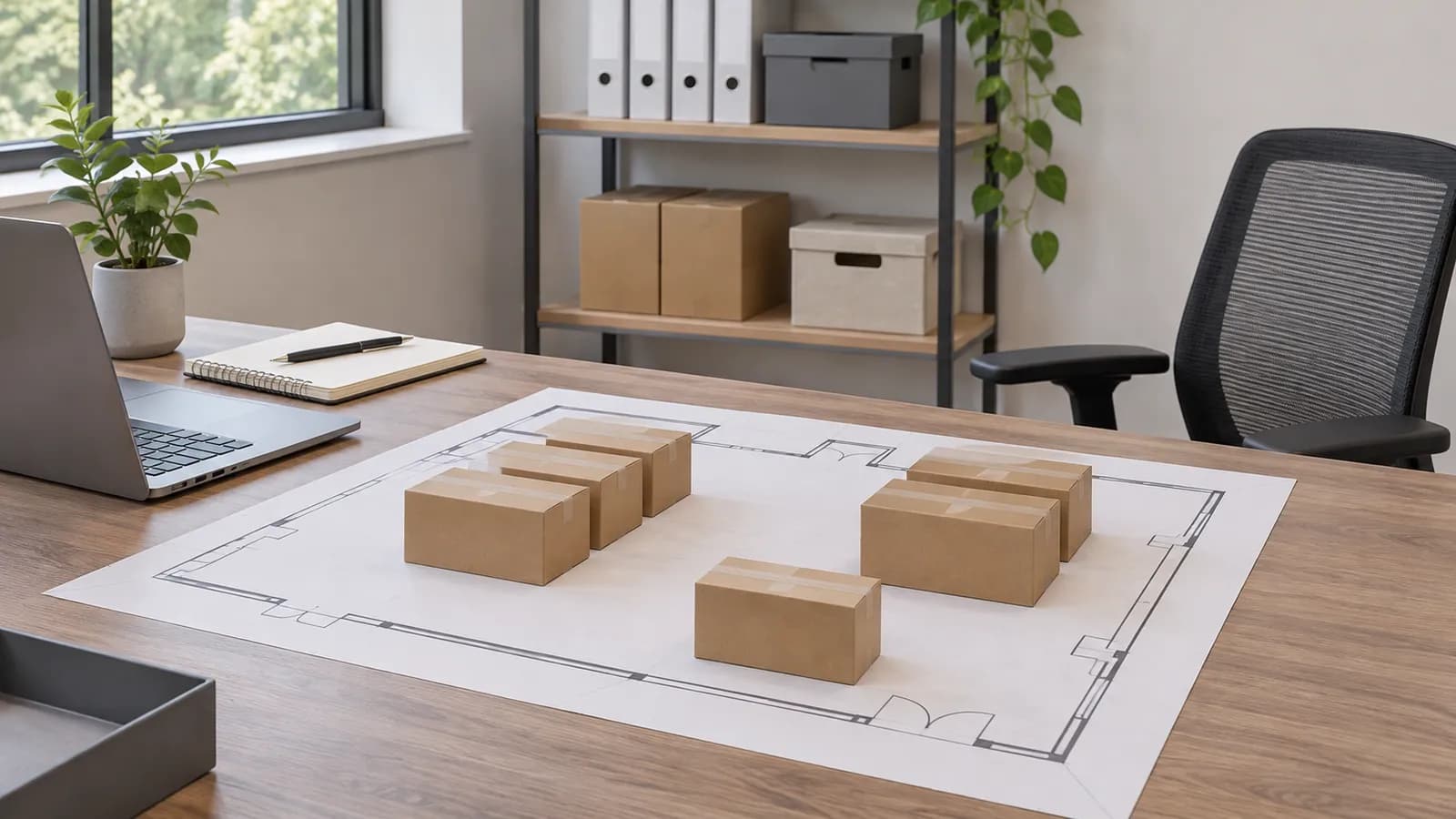
For a mixed order, ask the plan owner to show how each package type is represented in the proposed layout and shipment record. Do not assume that the result for one chair scales directly to another or that an average carton can describe the mix. If the buyer changes the ratio of models, request a revised review. The record should identify the effective quantities and which earlier assumptions were reopened.
Who confirms orientation, stacking and handling conditions?
Ask the manufacturer or packing owner for applicable orientation and stacking restrictions and for the documentation or instructions supporting them. Include the proposed pallet or unitization arrangement where relevant. A carton that appears rectangular does not establish whether it may be rotated, loaded under another package or handled in the way the buyer imagines. Keep missing restrictions open and ask the responsible qualified team how the plan will address them.
The logistics review needs the intended equipment, access and route information, including constraints relevant to handling and receiving. Ask who will assess package geometry, door access, mass distribution and any necessary space or securing arrangements. The IMO CTU Code is a primary reference for responsible packing practice. The actual operation, equipment and applicable requirements belong with the qualified parties assigned to the shipment.
What has the loading plan actually verified?
Ask for a dated, versioned plan identifying the shipment inputs, equipment reference, author and reviewer. Request a clear list of assumptions and unresolved conditions. A numerical volume estimate can help a discussion, while the reviewed layout answers a different set of practical questions. Ask the reviewer to explain the coverage that has been assessed and the information still required before the buyer relies on it for the proposed shipment.
Consider a fictional importer who replaces part of a task-chair order with visitor chairs after receiving an initial estimate. The useful next step is to identify the new packed configurations, reconcile their quantities and ask the plan owner to revise the affected layout. Keep the old plan out of the active release set once it is superseded. Record who approved the revised coverage and any remaining condition that must be closed before the shipment proceeds.
How will actual loading and changes be recorded?
Agree which packing and release records the buyer will receive from the responsible parties. Useful references include the actual carton identities, quantities, effective pack version and any exception that changed the reviewed plan. Confirm the route for questions when the actual package or equipment differs from the proposal. The team handling the operation should decide the appropriate hold or revised review under its responsibilities.
Keep the final shipment identity linked to the receiving contact and expected documentation. After receipt, a discrepancy can then be traced to the order line and the applicable plan rather than to a generic chair name. This guide prepares those questions and records. Any actual claim, revised estimate or future shipment decision should use the observed facts and written response for that transaction.
Products to discuss with MENBRO
Mid-Back Ergonomic Task Chair (MB-2118B)
Use this published task-chair reference to request the current configuration and packed version. Confirm measured carton data and shipment restrictions for the intended variant before including it in a loading review.
Mid-Back Ergonomic Mesh Cantilever Visitor Chair with White Frame (MB-2020C)
If this visitor-chair candidate forms part of a mixed shipment, request its own package identity, measurements and quantities. Ask the responsible team to review the actual mix alongside the other order lines.
From packing inputs to a reviewed shipment record
Give each stage a named owner and retain the version that supports the buyer's decision.
- 1. Identify the linesList actual chair models, variants, quantities, destination and purchase window.
- 2. Request packed dataObtain the intended pack version, units per package, measured outside dimensions and gross mass.
- 3. Confirm conditionsAsk for applicable orientation, stacking, pallet and handling restrictions and their source.
- 4. Obtain the reviewHave the responsible qualified team assess the mix against the intended equipment and route.
- 5. Resolve changesReconcile changed quantities or package versions and record which assumptions require review.
- 6. Retain the releaseRecord final identities, conditions, exceptions and the reference supplied to the receiver.
What to Check Before You Order
Request a model-specific loading review
- Identify each model, variant quantity and packed version.
- Reconcile units per carton and all package counts.
- Request dated outside dimensions and gross mass with units and source.
- Ask the packing owner to confirm orientation, stack and pallet restrictions.
- Identify intended equipment, route and relevant receiving constraints.
- Request a versioned layout, assumptions and responsible reviewer.
- Assign open questions and retain the actual release and exception references.
Editable container loading review request
Fill this working record privately. Copy and print use your current values.
Request the packing records for your selected models
Send the actual model links, quantities by variant, destination, purchasing stage and window. List the package data you already hold and the questions the supplier and logistics reviewer need to resolve.
See the MENBRO Showroom and Product Range
Watch a short introduction to MENBRO's office chairs, standing desks, lounge furniture and showroom. Ask our team for the current details of any model you are considering.
Frequently Asked Questions
What belongs in an office chair container loading checklist?
Identify the model and variant, packed version, units per carton, carton count, measured outside dimensions and gross weight. Request the applicable orientation and stacking restrictions, pallet details, equipment reference, reviewed layout and responsible release owner. Keep missing inputs marked TBC.
Can carton volume alone confirm the chair quantity in a container?
Volume supports an initial estimate from the stated inputs. A responsible plan review also needs geometry, door access, handling space, weight distribution, packaging restrictions and actual equipment information. Record the estimate and reviewed plan separately.
Can different chair models share a loading plan?
Ask the responsible logistics and packing teams to review the actual mix. Keep each carton version and quantity identifiable and include pallet or accessory packages. Review the plan again if a model, pack, quantity or equipment assumption changes.
Where should packed dimensions come from?
Request measured external package information for the confirmed production packing version, with the measurement date, unit, method and responsible source. Product dimensions and a photograph cannot establish the outside dimensions of the shipped package.
Who decides whether cartons may be stacked or rotated?
Obtain the relevant packaging restrictions from the responsible manufacturer or packing owner and have the qualified logistics team incorporate them into the actual plan. Ask for clarification where the instructions or documentation are missing.
What should happen after a packing change?
Identify the changed version and its effects on carton dimensions, mass, identity and handling limits. Ask the plan owner to review the affected assumptions and record the revised decision before relying on the earlier estimate or layout.
Does MENBRO publish a universal chair loading count?
This guide provides model-specific questions and a working record. Send the selected chair, quantities by variant, destination and purchase window and request current packing data and the proposed review responsibility for that shipment.
References and Further Reading
These references support the product-selection and technical guidance in this article. Product availability and specifications can vary by model and project.
- IMO CTU Code overview — Primary reference on cargo transport unit packing practice and responsibilities.
- Anji DAD packing-input guide — Competitor context on model-specific packed data. Its quantities and commercial terms remain supplier-specific.