

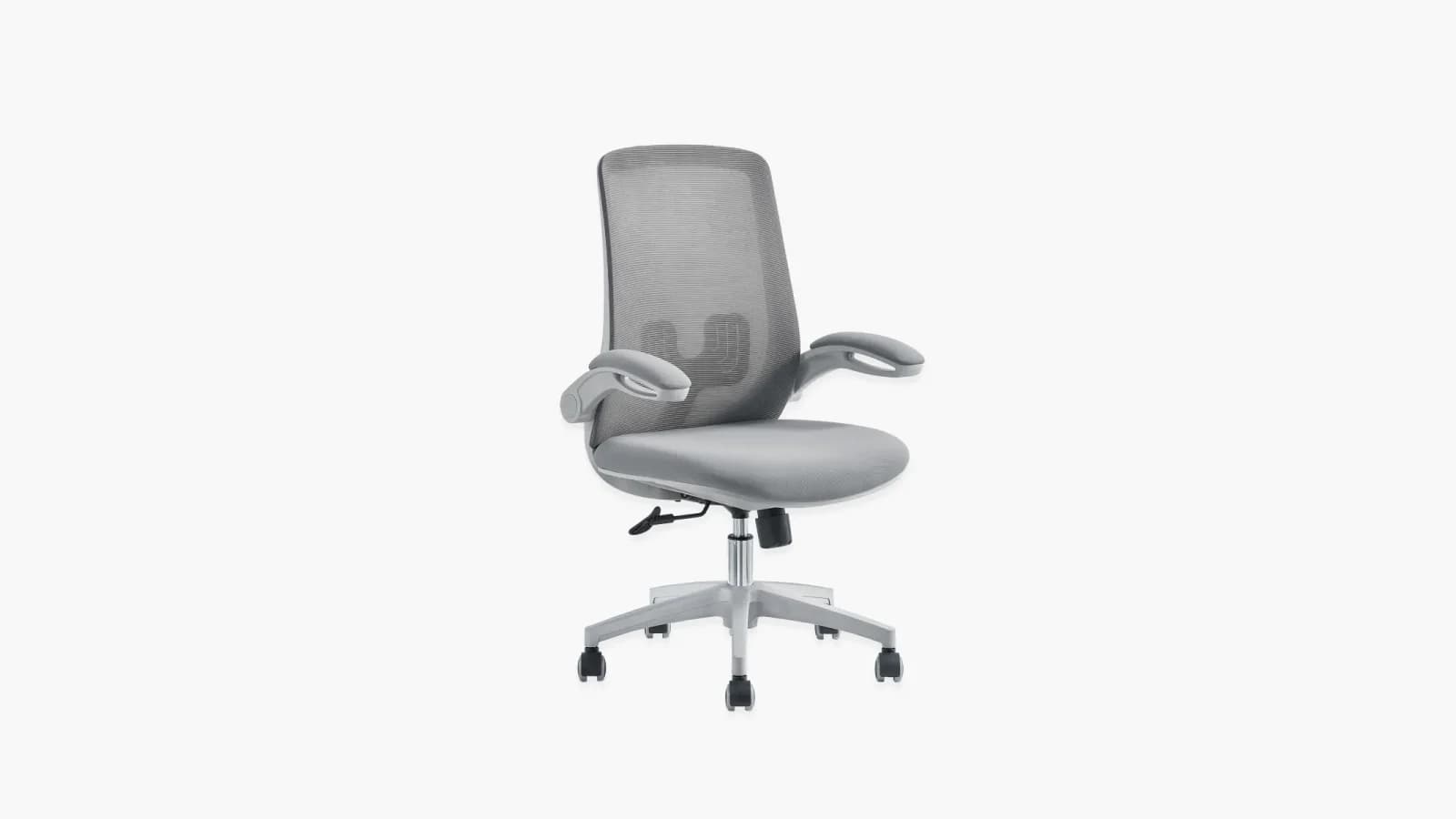
Quick answer
How do dealers match office chair upholstery colors across orders?
Start with the exact chair, upholstery location, textile article and color code. Compare a physical swatch or representative covered part against the signed reference, side by side under agreed conditions. Document which sample and lot were reviewed, who accepted them and what triggers a new review. Photos and screens help communicate intent. They cannot establish a color match or guarantee that a later lot will look identical.
Which reference answers which buying question?
Keep description, sample identity and purchasing decision in distinct fields. Ask for another reference if a row cannot support the decision you need.
- Use the photo to point to the seat, back or trim.
- Sign the reference and specify where it applies.
| Reference | What it helps identify | What to record |
|---|---|---|
| Catalog or screen image | Model, component and visual direction | Photo reference and which surface is under discussion |
| Textile article and color code | The specification the supplier is asked to price | Manufacturer, article, color code and applicable location |
| Signed physical reference | The appearance accepted under known conditions | Swatch or covered part ID, date, approver and conditions |
| Order or lot sample | Material tied to a proposed supply or delivery | Lot reference if supplied and accept, resample or hold decision |
Build the color record around the chair as ordered
A single catalog color description may cover several distinct materials: the mesh back, upholstered seat, edge trim and plastic or metal frame. Start by naming the part the customer wants to match. Record the textile manufacturer if known, the article number and the color code for that surface. The same shade name may appear in a different collection. The same photograph may also be used to explain several chair options. Give each surface its own field on the order sheet. If the supplier cannot yet confirm the seat material or color code, mark that field as open and ask what physical reference can be sent for review.
Make the viewing conditions repeatable
Put the retained reference next to the proposed sample under the same agreed illumination and with the same general orientation. Write down the light source, viewing location and whether you also looked at the pair in the intended showroom or installation. A shaded wall, a brightly colored object nearby or a different viewing angle can change the impression of a fabric. Where light differs between the display area and the buying office, record both observations and identify which condition will drive acceptance. If a buyer or supplier has a specific published assessment method, put its name and edition on the brief and use suitable personnel and equipment.
Choose a sample that represents the decision
A small swatch helps narrow options for a new color. A covered part or representative chair is more useful when the decision concerns a seam, a curved edge or the contrast between back mesh and seat fabric. Nap, weave direction, backing and the visible shape can affect the way the same textile appears. An sign-off limited to a loose swatch should say so. If the showroom expects a finished chair appearance, use a sample in the intended configuration before approving that wider claim. Keep a photo for the record, but store the physical reference under the identifier used in the purchase discussion.
Record differences without guessing the cause
When an old display chair and an incoming swatch differ, first check their identity and how each was stored or used. The showroom unit may have aged in daylight or undergone cleaning, while the retained swatch may have been protected. The supplied batch may also be different, or a visually similar fabric family may have been entered in the purchase line. Describe where and under which light the difference appears before assigning a cause. Ask the supplier whether the material and lot references can be traced. Preserve the observed distinction and avoid assuming that a color change proves a specification change.
Keep a repeat order tied to its own references
A reorder spreadsheet may copy the old color description without the old sample ID or lot. Ask the supplier to respond using both the former order reference and the proposed material reference. Confirm whether a retained production cutting is available and whether the current allocation changes the lot or finish. If the only reference is a chair still on display, the buyer can choose whether matching that chair or matching the original signed swatch takes precedence. Write the decision down before the supplier prepares a sample. This prevents teams from assessing against different targets and using the same word for both.
Use a decision the receiving team can act on
Choose accept for the reviewed sample and explicitly named order coverage, resample when the comparison did not represent the finished surface, or hold when a difference remains unresolved. Record whether a new comparison is needed if the textile article, batch, direction or seat construction changes. Give receiving staff the identity of the accepted reference and where it is stored, plus the person who can decide on an exception. Use the same language on the worksheet and purchase line so that the approved color is not reduced to a shorthand description on a carton.
Products to discuss with MENBRO
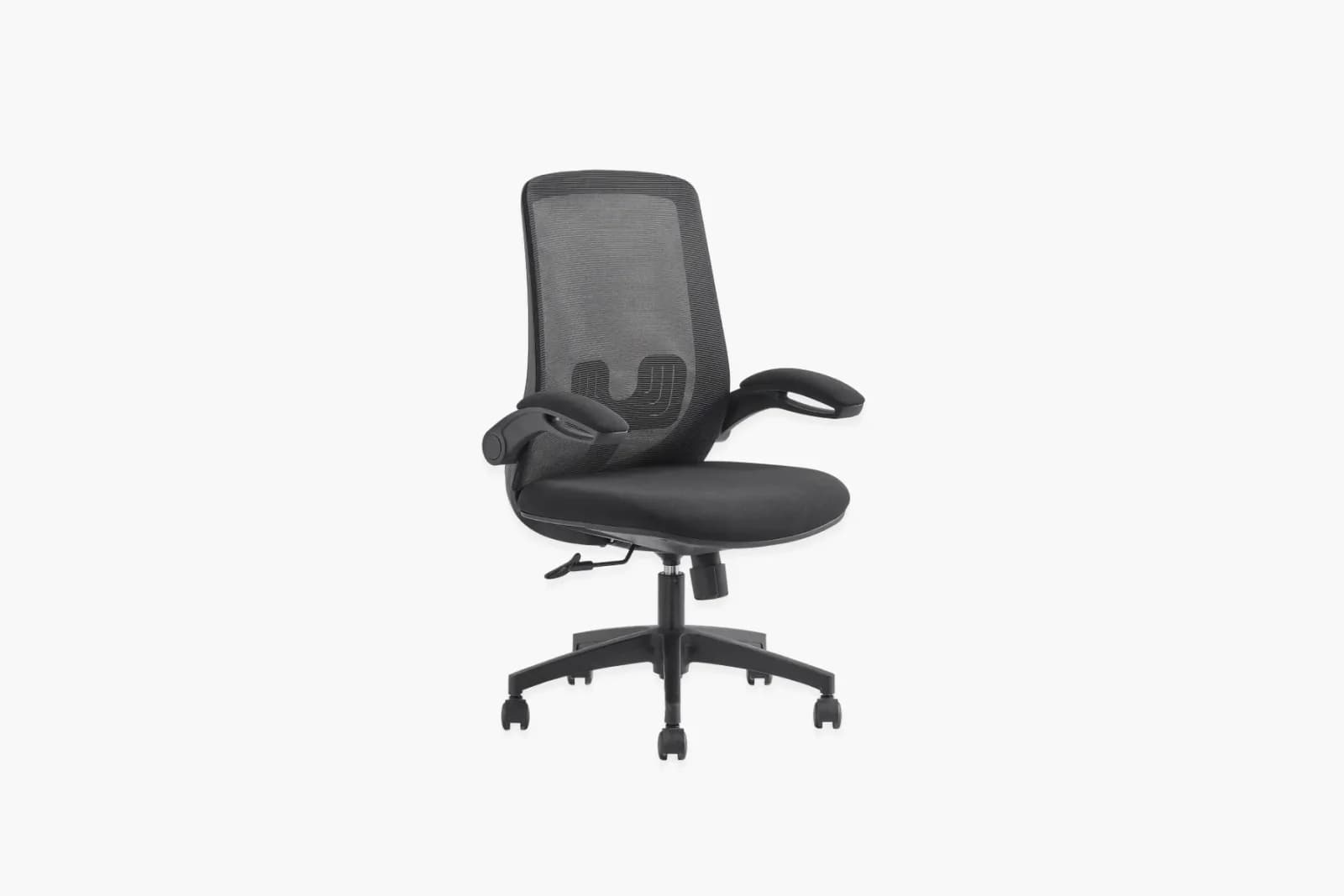
MB-2003B
Use MB-2003B to identify the chair, then ask which material and color reference apply to the seat and back of the quoted configuration.
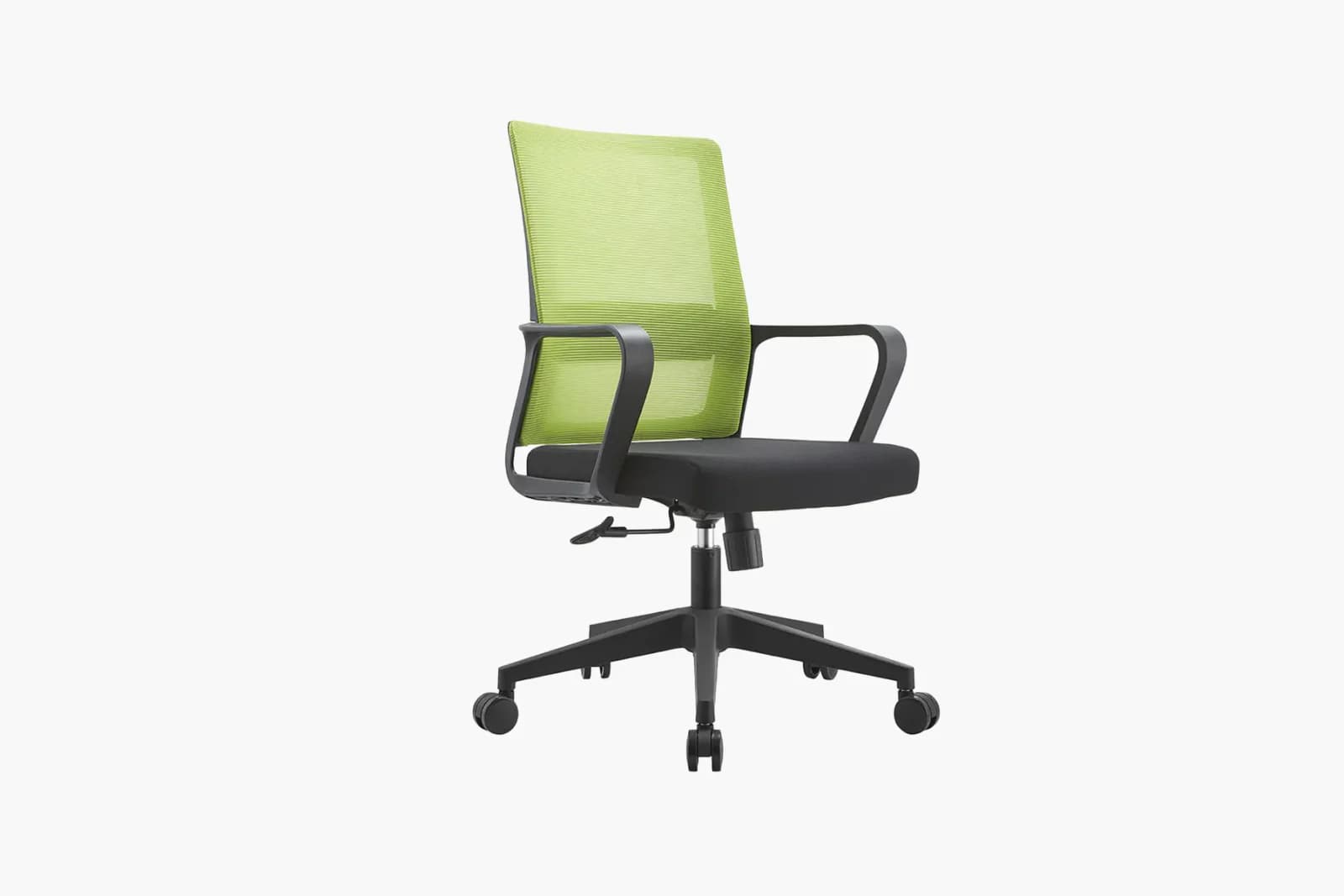
MB-2118B
Use MB-2118B as a separate enquiry. Confirm the upholstery locations, material codes and the physical references needed before adding a variant to your dealer listing.
From catalog request to color sign-off
Assign an owner for the retained swatch and another contact for purchase exceptions. A photo can accompany each step without replacing the material identification.
- Confirm the surface and codesSet down the chair SKU and the specific upholstery location. Ask for the textile article and color code in writing. If a catalog uses names that differ from the supplier's terms, keep both in the record so the buyer can compare the reply without translating a shade into a number by guesswork.
- Compare physical referencesUse the accepted reference and a proposed sample with a traceable label. Record where and how the team looked at them, the direction of the fabric and the visible differences. If a curved finished surface matters, ask for a covered component rather than relying on the flat sample alone.
- Confirm what was approvedName the signed sample, the model or configuration and the order line covered. If the supplier has confirmed a production lot, record its identifier separately from the color code. Share the approved sample details with the factory and dealer teams so both can refer to the same decision.
- Review again when the reference changesIf a new batch is proposed or the previous swatch cannot be found, agree another comparison before promising a match. Separate incoming units with unresolved color differences pending buyer review. Keep the next buying decision date and the person who can authorise release on the same record.
What to Check Before You Order
Desk-side color review checklist
- Identify the chair, order and exact upholstery location.
- Compare the article and color code in the supplier reply with the purchase record.
- Use a labelled physical reference and describe the shared viewing conditions.
- Record any production lot information separately and decide accept, resample or hold.
- Send model, quantities, destination and buying window together with the open color questions.
Dealer upholstery color worksheet
Copy one block per upholstery surface or approved combination. Keep your swatch references with the signed decision.
Request the material and color reference for a model
Send model, quantities, destination and buying window together with the open color questions.
Frequently Asked Questions
Does the same textile color code guarantee a later batch looks identical?
A code identifies the specified color in a textile range. Compare the proposed material and any available lot reference against the agreed physical sample when the appearance must match a previous order.
Can a dealer approve a shade from a screen photograph?
Use the image to locate the chair and surface and to narrow options. Confirm the purchase decision against a labelled physical sample and agreed viewing conditions.
When should we check an upholstered component instead of a loose swatch?
Use a representative component when the decision depends on seams, direction, curvature or contrast between adjacent surfaces. Record that the sign-off covers the specific configuration reviewed.
What if we no longer have the original swatch?
Find the material and order records and ask for a proposed physical replacement reference. Agree what it will be compared with before approving the next order.
Can one swatch approve every surface on the chair?
Apply the sign-off to the recorded material and location. Confirm other surfaces or combinations separately when they affect the appearance the customer expects.
References and Further Reading
These references support the product-selection and technical guidance in this article. Product availability and specifications can vary by model and project.
- Camira fabric specification resources — Examples of collection and specification references for contract textiles.
- NaughtOne fabrics and finishes — An example of how a furniture maker lists textile options by its own collection.
- Commercial Textile Association handbook — Background on batch identity and fabric orientation during visual comparison.