

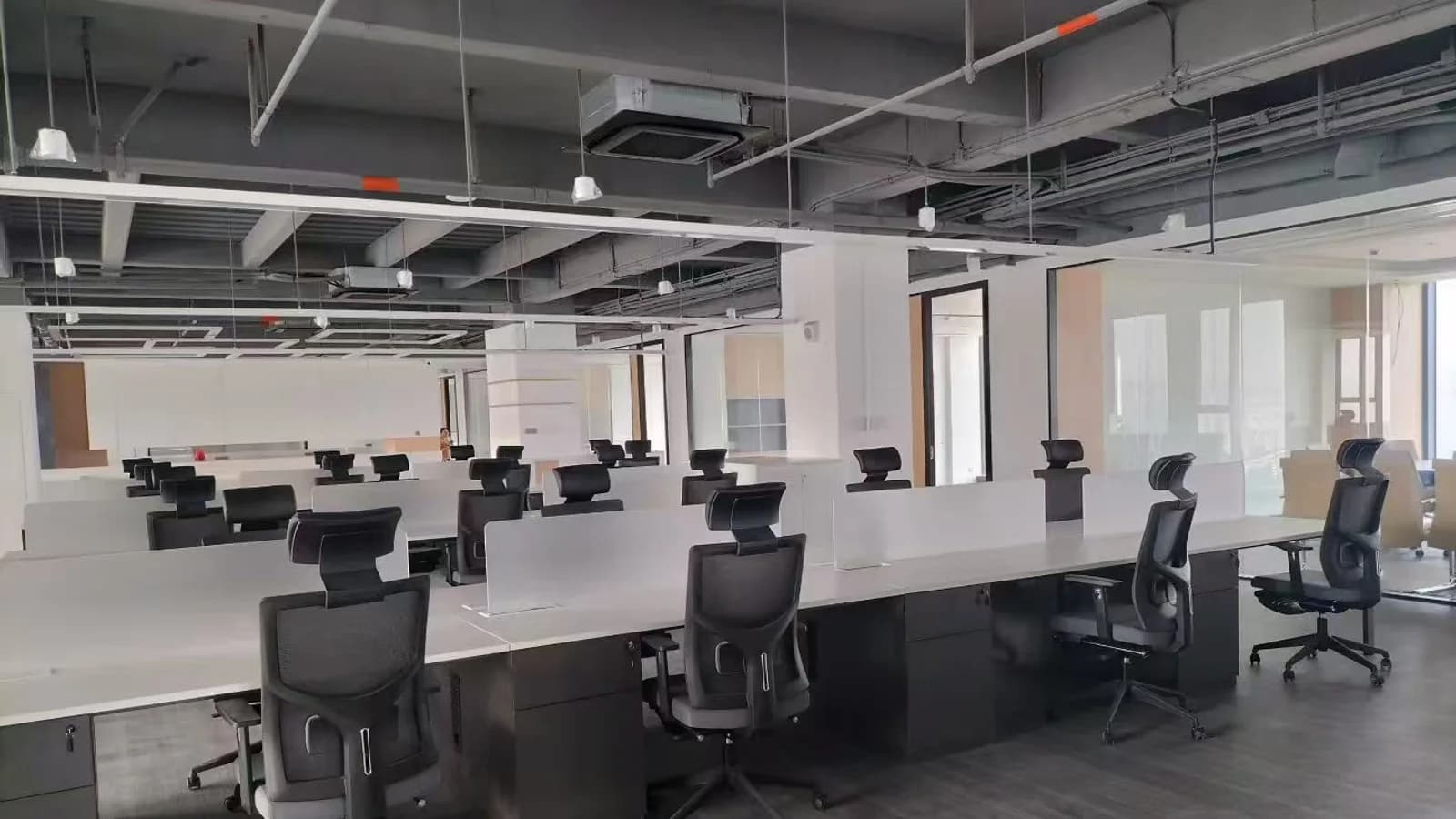
Quick answer
How should a commercial buyer choose between mesh, fabric and leather office chairs?
Start with the space, task, cleaning expectation, desired appearance and the selected chair construction. Mesh can support airflow; fabric opens a broad upholstery and color route; leather or a specified leather alternative may suit a particular visual and care brief. None is automatically best. Approve the exact SKU, material reference and sample before bulk production.
Match material choice to the project brief
This is a comparison framework, not a durability, compliance or pricing claim. The selected material grade, construction and maintenance instructions must be confirmed for the exact chair configuration.
| Material route | Useful when | Specification questions | Sample check |
|---|---|---|---|
| Mesh | Airflow and a lighter task-chair expression matter | Back versus seat use, mesh construction, frame, tension, color, cleaning route and replacement plan | Check support feel, edge finish, visual consistency and the complete chair configuration |
| Fabric | A tailored color, texture or upholstered comfort brief is required | Approved swatch, composition where required, color, seam direction, backing, cleaning method and market coverage | Compare the approved swatch, stitch quality, shade consistency and chair sample |
| Leather or specified leather alternative | A defined executive, meeting or client-facing visual and care brief is required | Exact material terminology, finish, color, seam layout, care route and required documentation | Approve the material sample and complete chair for appearance, feel, seams and maintenance fit |
Specify the complete seating surface, not a material word
A material name alone does not identify a chair's performance. A mesh back, upholstered seat, frame, foam, seam construction and arm pads can all form part of the visual, maintenance and user experience. The RFQ should state which surfaces the selected material applies to and what can vary by SKU.
CCOHS notes that breathable surfaces can help minimize heat and moisture buildup, while its ergonomic guidance also stresses that a chair must suit the worker, workstation and task. That is why a commercial buyer should consider ventilation alongside seat support, adjustment, desk fit and the actual use environment rather than selecting mesh by default.
MENBRO can evaluate upholstery and component options, including mesh, fabric or leather selection, against a current chair model and project brief. Availability, MOQ, required documents and timing are confirmed only after the selected SKU, color, configuration and destination are known.
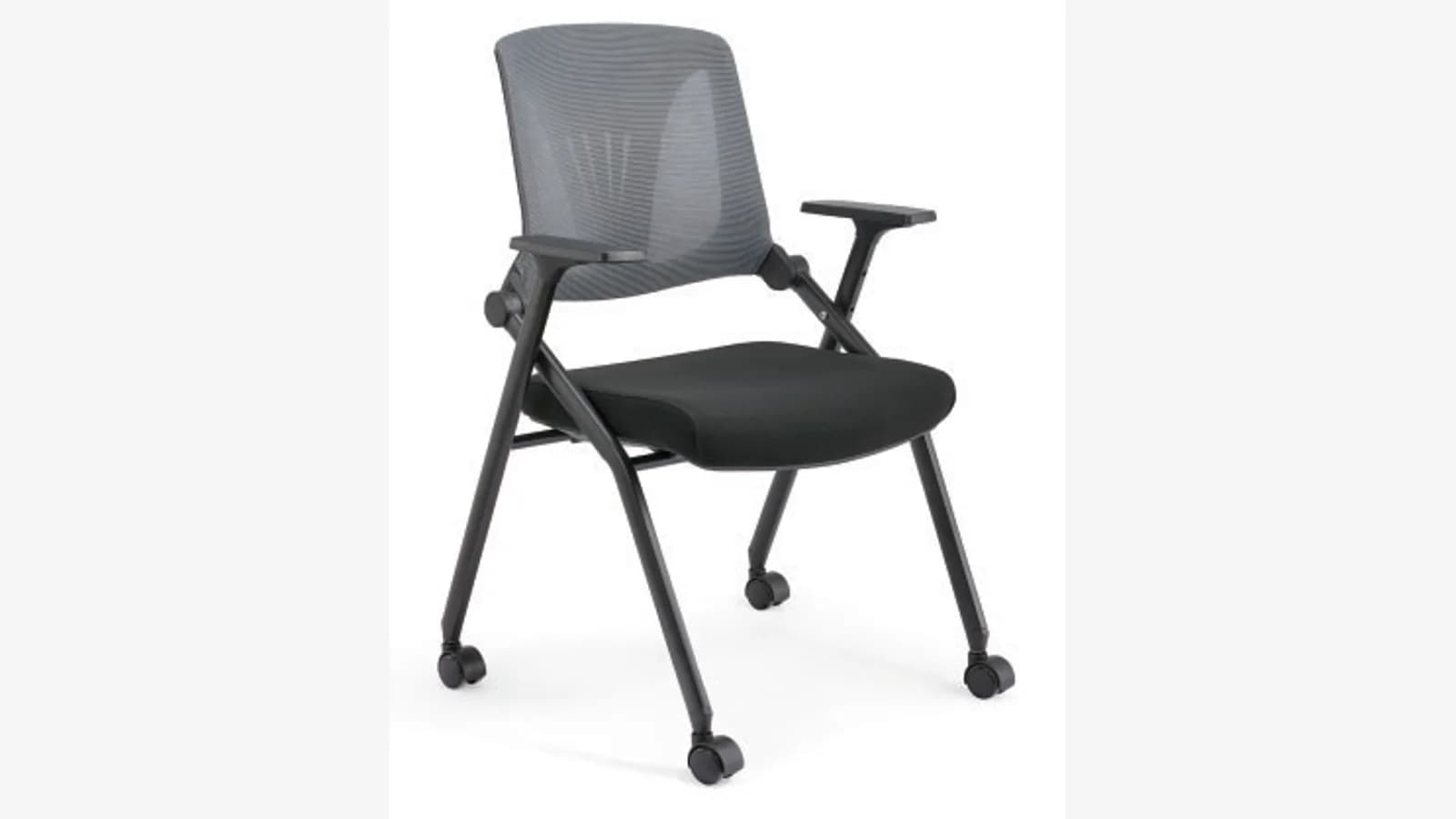
Move from mood board to approved upholstery specification
A clear material path protects the expected appearance and helps prevent a sample from drifting away from the production configuration.
- 1. Define the environmentState user task, occupancy pattern, room temperature, cleaning method, visual direction and destination requirement.
- 2. Identify surfacesSeparate back, seat, headrest, arm pad and trim rather than describing the entire chair with one material word.
- 3. Select the SKUMatch the material route to the chair structure, available configurations and requested commercial quantity.
- 4. Approve swatch and sampleReview color, texture, seam layout, support feel, cleaning expectation and the complete chair under project lighting.
- 5. Lock and inspectRecord the approved material reference and chair configuration; review any substitution before production and during final inspection.
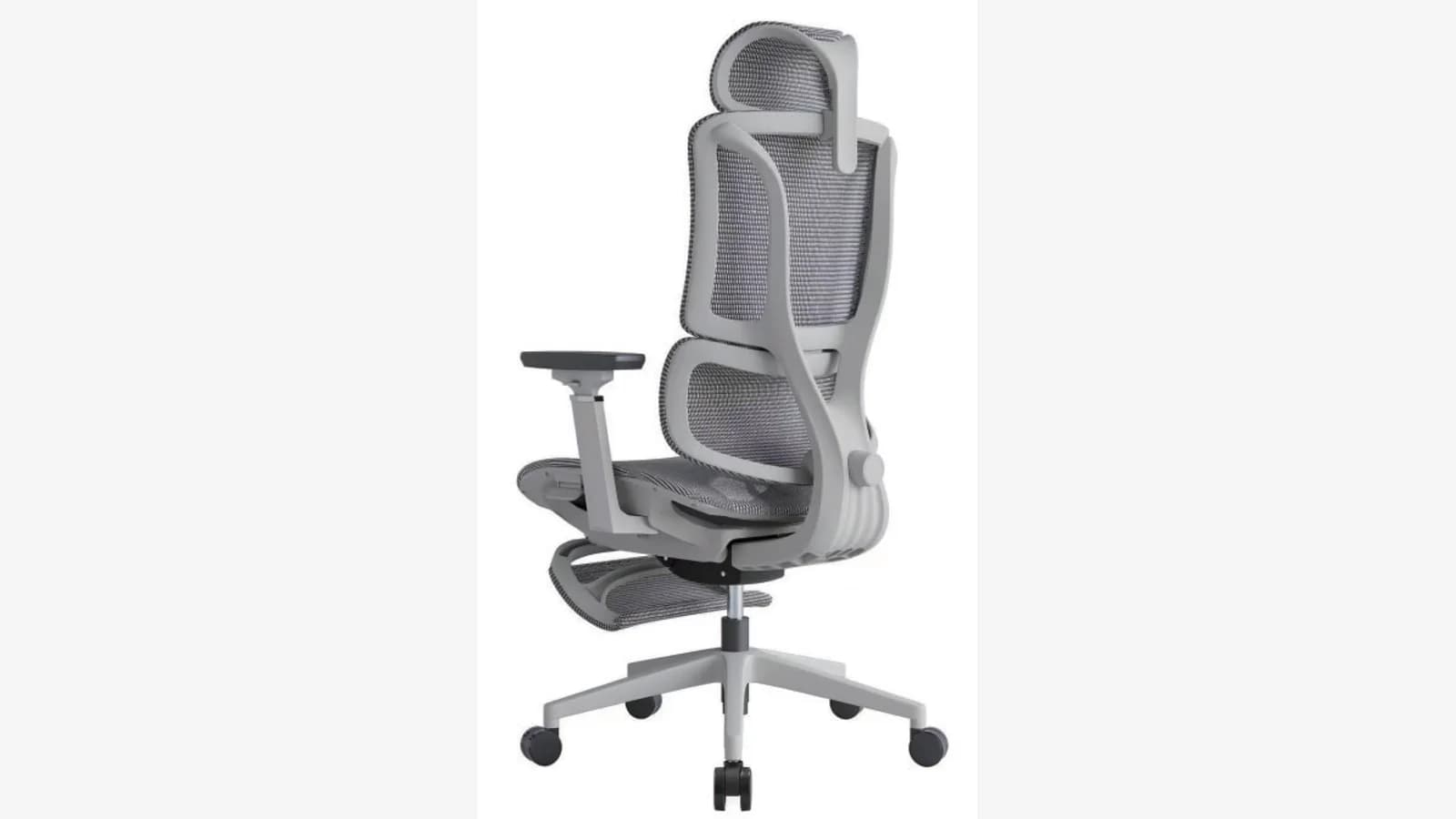
What to Check Before You Order
Material fields to add to a commercial chair brief
- Chair SKU or reference design and intended space
- Which surfaces use mesh, fabric, leather or another material
- Approved swatch, color or material reference
- Required visual, seam and trim direction
- Daily-use and cleaning expectation
- Destination and any stated market or tender requirement
- Quantity per color and configuration
- Sample sign-off, change-control and final-inspection criteria
Compare materials against the chair and project—not a generic label
Share the selected chair or reference, surfaces, visual direction, quantity, cleaning expectation, destination and required documents. MENBRO will review the applicable configuration and sample route.
See the MENBRO Showroom and Product Range
Watch a short introduction to MENBRO's office chairs, standing desks, lounge furniture and showroom. Ask our team for the current details of any model you are considering.
Frequently Asked Questions
Which office chair material is best for a commercial project?
There is no universal winner. Compare the user task, hours of use, room temperature, cleaning method, desired appearance, replacement plan and selected chair construction. Approve the actual upholstery or mesh specification on the SKU sample before bulk production.
Is mesh always the best choice for all-day office seating?
Mesh can support airflow, but the selected mesh tension, frame, seat construction, adjustment range and user fit still matter. A mesh back with an upholstered seat may suit one brief; another project may require a different material or cleaning route.
How should fabric chair upholstery be specified?
State the approved swatch or supplier reference, color, composition where required, backing, seam and stitching direction, cleaning expectation, fire or other market requirement if applicable, and the exact chair SKU. Do not assume a fabric record covers every chair component.
What should buyers confirm before choosing leather office chairs?
Confirm whether the brief calls for genuine leather, a leather alternative or another upholstery; then approve the exact material, color, grain or finish, seam layout, care route and SKU sample. Material terminology and applicable documentation should be stated in the quotation.
Can MENBRO evaluate mesh, fabric or leather options for a project?
Yes. MENBRO can assess applicable upholstery and component options against a selected chair, quantity, destination, visual reference, cleaning expectation and required documentation. Final availability, MOQ and timing are confirmed for the exact configuration.
References and Further Reading
These references support the product-selection and technical guidance in this article. Product availability and specifications can vary by model and project.
- CCOHS: Ergonomic Chair — Primary occupational-health context for breathable seat surfaces and task/workstation fit.
- Haworth Fern Office Chair materials — Neutral industry example of a commercial chair program offering different material routes; it is not evidence of MENBRO availability.
- Steelcase Karman material discussion — Industry context for evaluating mesh construction as part of a complete seating system.
- MENBRO Office Chair Manufacturer — Current product, customization and SKU-level specification route.