

Quick answer
How can a dealer check whether a replacement headrest fits an office chair?
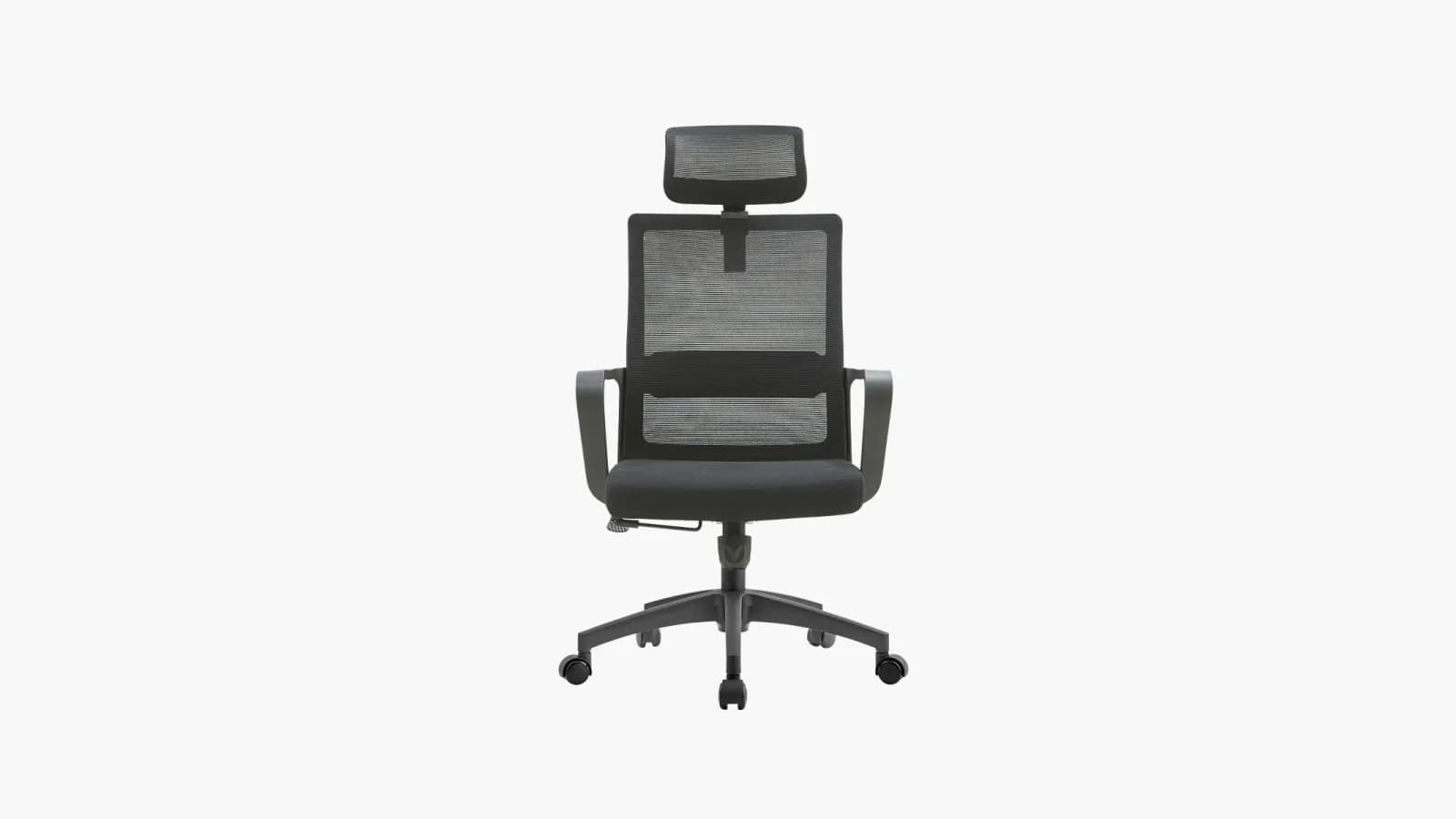
Read the chair label and order record, identify what was originally supplied, and send an overall photo plus a close view of the visible back-frame interface. Ask the supplier to confirm the chair version, replacement part number, included hardware and approved service method in writing. Treat an empty mounting area, a matching silhouette or a similar model name as a clue only.
What the parts desk needs before it can quote
Use one line for each version found on site. When a field is missing, name the person responsible for obtaining it and keep the purchasing status open.
- Connect the frame and installed headrest to the label.
- Show the area the supplier needs to identify.
| Documentation | What to capture | Decision it supports |
|---|---|---|
| Chair identity | Label, serial or date code and order reference | Which production version is in service |
| Original fitment | Originally supplied, optional or not yet identified | Replacement, option enquiry or hold |
| Visible interface | Rear view plus close-up of support and attachment area | Which interface needs written confirmation |
| Supplier response | Part number, approved version and included items | Which line can be released to purchasing |
Find the original configuration before naming the part
A customer may call the chair by a showroom name while the carton, dealer invoice and factory label use different identifiers. That is common when a private-label line uses its own catalogue names. Begin with the label on the actual chair, photograph it in place and compare it with the order. Keep the dealer reference and factory reference in separate fields. Record the serial or production date where present and avoid guessing from an email date or delivery week. If the label is missing, say so and send the purchase reference with several whole-chair views. Keep one chair attached to each photo set.
Separate replacement from a new fitment
A replacement request concerns a component the chair was supplied with or that the supplier already approved for that specific order. A retrofit question concerns whether a chair that arrived without the feature can take an approved option. The two questions need different records. For a replacement, find out whether the original order listed the headrest as separate from the back. For a retrofit, ask whether a specific back frame accepts a listed option. A trim cover, apparent recess or spare hole in a catalogue photograph does not identify the mounting arrangement. Keep the order on hold until the supplier answers for the identified chair.
Make the photographs usable
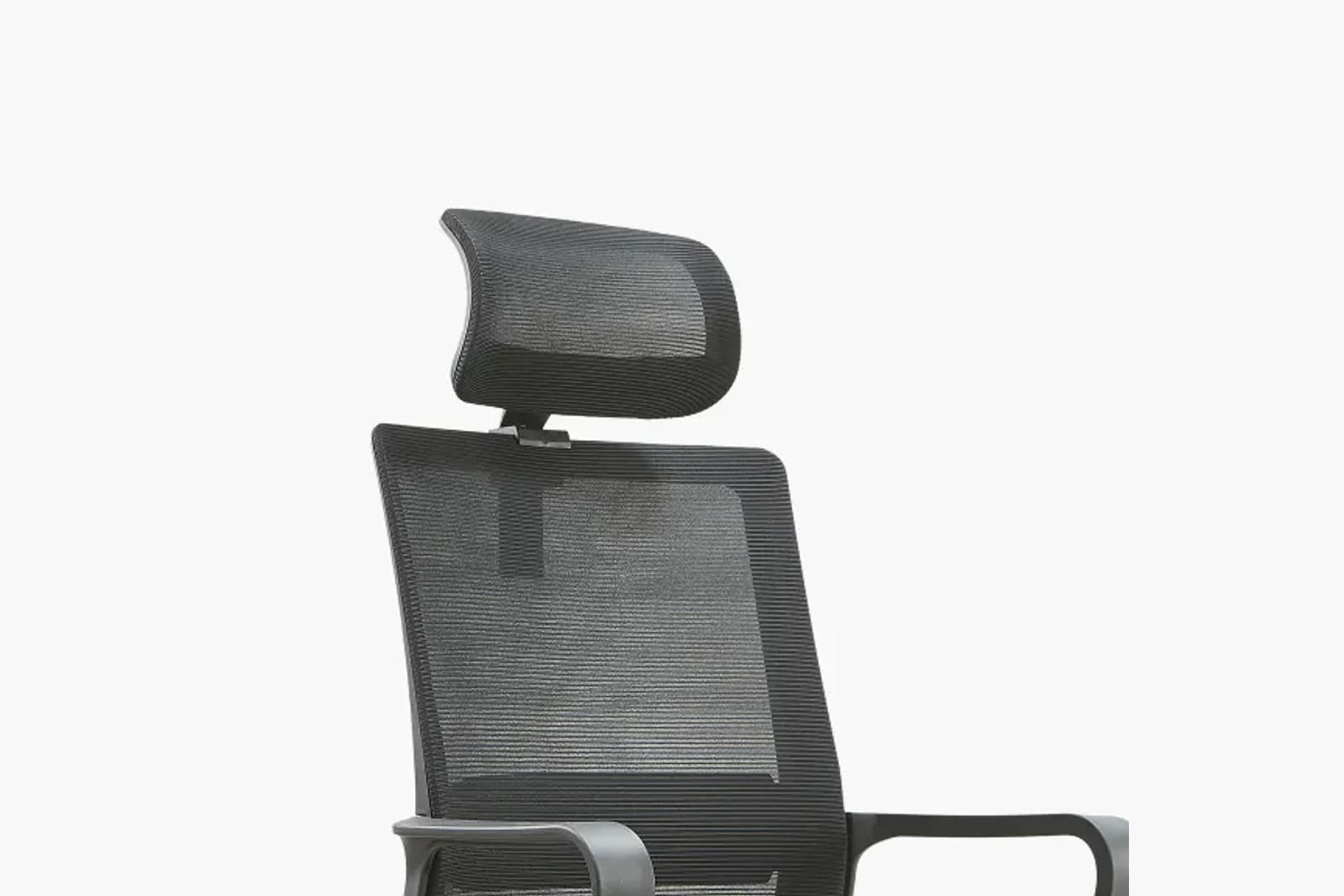
Take the wide photograph before the detail. Include the top of the back, its outer edges and the existing attachment if visible. A second photograph should show the same chair from close range and indicate the visible junction between the support and the frame. Use ordinary light and avoid reflections that hide the outline. Keep the chair assembled. If the interface is hidden behind trim, label that detail as hidden and ask whether the supplier has a drawing. Do not take a cover apart to complete an enquiry. Use a secure service channel and crop unrelated names, desk contents and room identifiers from what you send.
Define the part you actually need
The name headrest may be used for a cushion, the visible headrest body, a support or a complete service kit. Ask the buyer to describe the visible issue in a few words, then ask the supplier which parts are available together for the identified version. Someone may need a surface replacement because the cover has marked; another chair may have a visibly damaged support that requires a different service decision. Do not diagnose an internal joint from a photograph. Ask whether the quoted line contains fasteners, covers and instructions and who is authorised to carry out the work. Until damage is assessed, follow the site's procedure for taking affected furniture out of use.
Handle a mixed fleet as separate cases
A branch may have two deliveries of the same chair family. The headrests can look identical across the row while the underlying frames come from different orders. Sample the labels from each delivery and separate any version, date or specification difference before requesting a volume quote. If the first response approves only one serial range, keep that answer linked to its group. Send the other group for separate review rather than assuming the same reply covers it. This also helps receiving staff direct the right package to each branch when the names printed on the cartons are similar.
Communicate a decision that receiving can use
The useful reply names the chair, the covered production version, the exact part or kit, the finish if relevant, and the document version. Ask for the agreed carton or bag marking when several replacements are shipped together. Compare the delivered reference and included items with the confirmed line before issuing it to a service technician. Keep a record of which unit or group received the part so a later request does not start from an image search. If the supplier proposes an alternative reference, ask for a new written confirmation tying it to the chair originally identified.
Products to discuss with MENBRO
MB-2118A
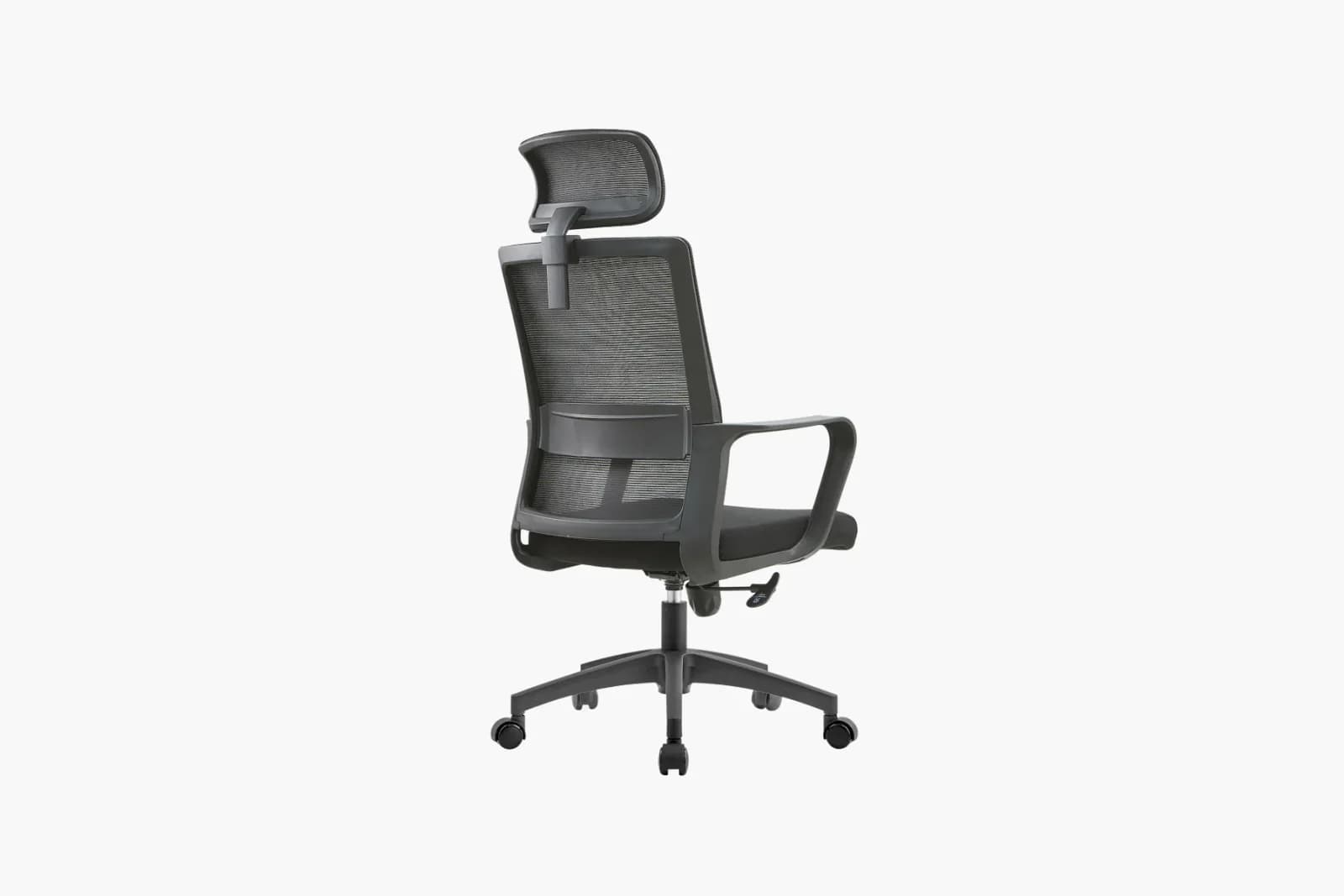
Use MB-2118A as an identification reference. Send the plate from the chair in service, even when the showroom photo looks like the fitted unit.
MB-2027A-3-KT
Use MB-2027A-3-KT as a separate model enquiry. Request its own version and service documentation before discussing any part.
A four-step dealer handoff
The purchasing decision can stay open while a supplier requests another view or an original order reference. Keep the customer informed about the missing item and the next review date.
- Create the unit recordList the branch, chair label, order line and original headrest status. Attach a wide photo and a close photo without hiding the contour in a tight crop. If the checklist was prepared by someone else, ask who can answer a follow-up question at the site.
- Ask a narrow compatibility questionAsk which complete service item, if any, is approved for this chair and whether the supplier requires a version code not visible on the label. State quantity by version and destination. Give the buying window as a planning field so the team can distinguish a single urgent repair from a fleet stock request.
- Confirm the service boundaryReview the supplier's reply for the part identifier, supplied items, installation document and whether authorised service is required. Where one component and a complete assembly are both listed, ask which one the supplier is quoting. Keep both references distinct on the enquiry and request written clarification when the answer gives only a photograph.
- Release and check the deliveryBefore releasing an order, tie the confirmed reply to the relevant chair group and mark unresolved lines separately. On receipt reconcile the package identifier with the reply and keep a copy with the affected chair record. Where the supplier later changes the reference, repeat the same check before treating it as a substitute.
What to Check Before You Order
Before you order a replacement
- Read the chair label and record the original order.
- Attach the two views and name any hidden area.
- Keep replacement, retrofit and alternative chair lines separate.
- Ask for the approved part reference, hardware coverage and service document.
- Send one row per verified version with quantity, destination and purchase window.
Dealer headrest identification worksheet
Copy one block per chair group. Use the worksheet in your own records and send only the information necessary for a service reply.
Request a model-specific headrest review
Send one row per verified version with quantity, destination and purchase window.
Frequently Asked Questions
Are office chair headrests interchangeable?
Ask for a written match for the identified chair, frame version and part reference. Similar outlines alone do not show the mounting interface or approved service coverage.
How do I handle a missing label?
Send the original order reference and several views. State which information is missing and wait for the supplier to identify the version before placing an order.
Is a retrofit the same as replacing a fitted headrest?
A retrofit requires confirmation that the original back frame accepts a listed option. A replacement still needs the correct original version and component or kit number.
Can one confirmation cover a whole branch?
Apply the reply to the chair group explicitly covered by the supplier. Ask separately about a different production version or configuration.
When should a dealer hold an order?
Hold it when chair identity, approved compatibility, service method or the quoted contents remain unclear. Name the missing item so the next reply can resolve it.
References and Further Reading
These references support the product-selection and technical guidance in this article. Product availability and specifications can vary by model and project.
- Atlas model compatibility guide — An example of how an accessory maker names the chair models it supports.
- Herman Miller customer service FAQ — Shows how a maker identifies the model and manufacture date on its own labels.
- Steelcase service document example — An illustration of why the service document needs to match the part and chair.